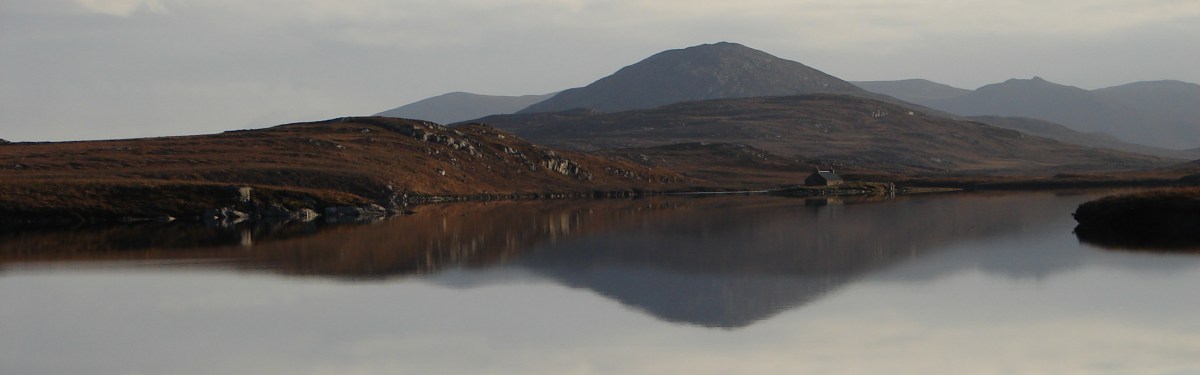
The first story is set in the Keltia that existed before the invasions of Julius Caesar. It is a time when the growing might of Rome was coming into conflict with the various tribes that formed the Celtic empire. It is a time before the coming of Britain, a time when Britain was Keltia, when the Islands were wholly Celtic.
The Celts were guided by the wisdom of the Druids. Rhiannon is one such Druid, and it is her destiny to fulfill the Prophecy given at her birth:
“Born is one who will bear wisdom to the high,
and anguish to her kith and kin,
Yet in the time of the Awakening Man,
Keltia shall know again its High King, and be led to victory over its foes.“
The story begins at a hamlet called Cwtch on the eve of Samhain. Cwtch is a special village, a place of healing where Rhiannon uses her skills and knowledge to heal the sick and provide succour to the dying. It is a place of tranquility and quietness set amongst the beauty of the trees in the surrounding valley. It is also the eve of Samhain and Rhiannon sits, waiting, beleiving, that the Awakening Man spoken of will soon arrive. The man who arrives is not what she expects.
Across the waters in Gaul there is no such tranquility, only warfare. The Romans have a new general – Gaius Julius Caesar – who is subjugating the Celts of Gaul to the rule of Rome. He is an ambitious man who is determined to gain power and wealth so he can achieve the greatness he seeks.
Increasingly he looks greedily across the Channel at Keltia, a place of great riches, a country ripe for an invasion that would bring great wealth to Rome – and Caesar – as well as enhance his reputation. Within Keltia there is discord, with ruler fighting ruler, a perfect time for invasion.
The Druids know this and beleive that only the coming of the High King can unite the warring tribes and prevent the conquest by Caesar. Thus does the story of Rhiannon become intertwined with the future of Keltia.
The story takes a number of ingredients for its theme. The Celts fascination with Cauldrons; their reputation for being fierce fighters who would battle each other for the most trivial of reasons and, the final ingredient, the influence of the Druids.
 The Wisdom of Rhiannon